
 Retreats
Overview of Topic
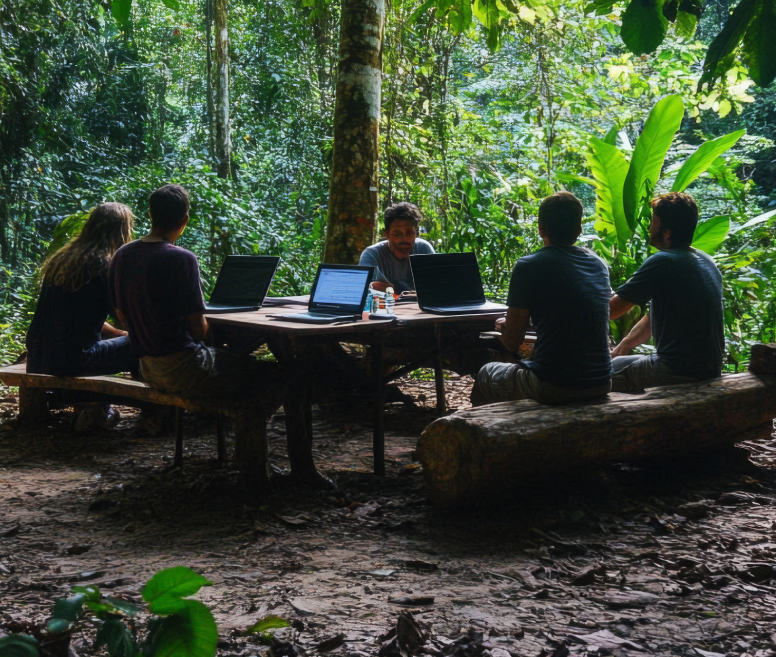
How do you recharge while fostering personal growth and professional collaboration? Retreats provide a transformative environment for learning, connection, and rejuvenation. Our curated retreats blend corporate, spiritual, leadership, and specialty experiences to create holistic development opportunities.
Through experiential learning, mindfulness practices, and outdoor activities, participants gain a deeper understanding of themselves, their teams, and their goals. Each retreat is designed to provide an immersive experience that fosters collaboration, self-awareness, and strategic thinking.

In a world of constant hustle, retreats offer a sanctuary for growth, collaboration, and rejuvenation. Designed to cater to corporate teams, senior leaders, and special interest groups, our retreats seamlessly blend experiential learning with personal well-being. Whether a one-day company retreat or a multi-day immersion, each experience is thoughtfully curated to align with your team’s unique objectives. Through activities rooted in mindfulness, leadership, and creativity, we foster a sense of purpose, spark innovation, and build stronger connections.
Participants benefit from expert facilitation, serene environments, and a holistic approach to growth. Our retreats leverage the best of ancient Indian wisdom and modern methodologies, offering a rare combination of personal reflection and strategic realignment. From fostering team synergy to inspiring innovation, each retreat provides actionable takeaways and lasting impact.
Build stronger relationships through shared experiences.
Develop resilience, strategic vision, and influence.
Recharge your mind and body in serene environments.
Use creative outdoor and group activities to spark new ideas.
Learn techniques to reduce stress and increase focus.
Align team dynamics with corporate objectives.
Focused on enhancing collaboration and communication within teams through workshops and outdoor challenges.
For senior leaders to disconnect from daily stressors and realign with their strategic goals.
Delve into mindfulness practices, meditation, and ancient wisdom for personal and professional clarity.
Outdoor and indoor activities designed to stimulate creative thinking and problem-solving.
Custom themes based on organizational needs, such as diversity, inclusion, and sustainability.
Target Audience
Corporate Teams
Organizations seeking to foster collaboration and innovation.
Leaders and Executives
Senior professionals looking to recharge and realign their vision.
Special Interest Groups
Teams or individuals with specific focus areas such as wellness, innovation, or cultural growth.
Fostering Resilience
Retreats provide a space for mental and emotional rejuvenation, building resilience for challenges ahead.
Deepening Connections
Shared experiences foster trust and empathy, enhancing team dynamics.
Encouraging Strategic Reflection
Away from daily distractions, leaders can focus on long-term planning and visioning.

Every retreat is customized to align with your unique needs and objectives.

Our team combines expertise in leadership, mindfulness, and team dynamics to create impactful experiences.

We balance professional development with personal well-being for sustainable impact.

Short, impactful getaways designed to refresh and inspire.

Extended retreats for in-depth learning and transformation.

Customized programs delivered within your location or nearby venues.
Participants leave rejuvenated and ready to tackle challenges.
Improved collaboration and trust among team members.
Practical tools and frameworks to lead effectively.
Clear takeaways aligned with personal and organizational goals.
Sustainable practices for reducing stress and increasing focus.
Our Team

Founder & Visionary Leader

Chief Trainer
FAQs
Corporate retreats allow teams to recharge, connect, and realign their goals. These off-site experiences strengthen collaboration, improve communication, and foster innovation. Activities are designed to break silos, build trust, and encourage strategic thinking. Beyond team-building, retreats also enable participants to retreat from daily pressures and reflect on long-term objectives. Teams leave with actionable insights and renewed energy by engaging in structured workshops, outdoor challenges, and mindfulness practices. Ultimately, retreats help organisations achieve both personal and professional growth.
Senior management often faces unique challenges that require focus, clarity, and resilience. Retreats tailored for leadership provide a space to reflect on strategic priorities and develop stronger leadership capabilities. By disconnecting from daily stressors, leaders can gain fresh perspectives and align their vision with organisational goals. These retreats also encourage collaboration among peers, fostering shared purpose and synergy. Sessions on resilience, mindfulness, and innovation ensure leaders can inspire their teams. For senior management, retreats are an investment in personal and professional growth.
Small group retreats benefit from personalised activities encouraging deep connections and meaningful interactions. Team-building exercises, such as problem-solving challenges, foster collaboration and trust. Mindfulness sessions, including guided meditation or yoga, help participants recharge and gain clarity. Interactive workshops on leadership or innovation provide actionable insights tailored to the group’s goals. Outdoor activities, like hiking or team sports, encourage bonding in a relaxed setting. Customised sessions ensure the retreat aligns with the group’s objectives, making the experience impactful and memorable.
Spiritual retreats for senior management focus on balancing inner well-being with professional goals. These retreats incorporate mindfulness practices, meditation sessions, and teachings from ancient wisdom, such as the Bhagavad Gita or Upanishads. Leaders explore strategies to cultivate empathy, resilience, and clarity in decision-making. Immersive activities, like journaling and group discussions, encourage self-reflection and personal growth. By blending spiritual insights with leadership development, these retreats empower senior management to lead with purpose and vision.
Wellness retreats prioritise participants' physical, emotional, and mental well-being, while traditional team-building programs often focus solely on collaboration and communication. Activities in wellness retreats include mindfulness practices, stress management workshops, and physical fitness sessions like yoga or nature walks. These programs are designed to rejuvenate participants, fostering a sense of balance and inner peace. Organisations can create healthier, more productive work environments by integrating wellness into team-building efforts. The holistic approach ensures participants leave refreshed and motivated.
Retreat facilitation involves detailed planning and customised activities for larger groups to ensure inclusivity and engagement. Organisers break participants into smaller teams for interactive workshops, challenges, and discussions. Activities are designed to address diverse objectives, from team-building to leadership development. Advanced tools, such as group feedback systems and collaboration platforms, enhance communication and participation. Facilitators ensure the retreat maintains a seamless flow, balancing group-wide sessions with individual reflection. Large group retreats create impactful experiences while effectively addressing organisational goals.
Mindfulness practices during retreats help participants reduce stress, enhance focus, and gain mental clarity. Techniques such as guided meditation, breathing exercises, and journaling encourage self-awareness and emotional balance. These practices foster a calm and focused mindset crucial for effective decision-making and collaboration. Integrating mindfulness into the retreat allows participants to reflect on personal and professional challenges in a structured and supportive environment. The results include improved team dynamics, enhanced creativity, and overall well-being. Mindfulness adds depth to the retreat experience, making it a transformative journey.
Corporate retreat agendas can incorporate innovative activities to keep participants engaged and inspired. Icebreaker sessions with gamified elements can set the tone for collaboration. Workshops on leadership, communication, or innovation provide actionable takeaways. Outdoor team challenges like scavenger hunts or adventure sports foster bonding and problem-solving. Incorporating technology, such as VR simulations, can offer unique learning experiences. End the day with reflective activities like group storytelling or a mindfulness session. A well-structured agenda ensures the retreat is productive, enjoyable, and aligned with organisational goals.
Retreats can be strategically designed to reflect and reinforce an organisation’s long-term goals. Facilitators align retreat activities with key business objectives, such as enhancing collaboration, fostering innovation, or developing leadership capabilities. Vision-setting workshops allow teams to identify how their contributions align with larger organisational strategies. Group exercises like scenario planning or team challenges focus on problem-solving and future readiness. By addressing immediate and strategic priorities, retreats ensure participants return with a clear understanding of their role in achieving long-term success.
Organising retreats for managers involves focusing on activities that enhance leadership, decision-making, and collaboration. Begin with a clear agenda that outlines the retreat’s objectives. Include workshops on topics like conflict resolution, strategic thinking, or team-building. Incorporate real-world case studies and interactive role-playing to address workplace challenges. Provide opportunities for reflection and mindfulness to help managers recharge. Encourage open discussions where managers can share insights and learn from one another. Tailoring the retreat to address managerial challenges ensures a high-impact experience.
Ancient Indian wisdom offers timeless principles that enrich retreats by fostering emotional intelligence, resilience, and mindfulness. Teachings from the Bhagavad Gita, Upanishads, and epics like the Ramayana provide ethical decision-making and leadership frameworks. Storytelling sessions based on ancient scriptures inspire participants to embrace values like empathy and collaboration. Practices such as yoga and meditation enhance self-awareness and emotional balance. By integrating these teachings, retreats provide participants practical tools to navigate modern challenges while staying grounded in timeless values.
Spiritual retreat activities like meditation, reflective journaling, and group discussions foster self-awareness and emotional balance among corporate teams. These activities encourage participants to retreat from daily pressures and connect with their inner values. Shared spiritual practices build trust and empathy, enhancing team cohesion. Insights drawn from ancient wisdom inspire ethical decision-making and collaborative problem-solving. Participants return to work with renewed focus, reduced stress, and a deeper sense of purpose. Spiritual retreats transform corporate teams into harmonious and high-performing groups.
Small group retreats thrive on intimate, interactive activities promoting connection and growth. Workshops focusing on communication skills, leadership, or innovation can provide tailored insights. Outdoor activities like nature walks or team challenges encourage bonding in a relaxed setting. Mindfulness sessions, such as guided meditation or yoga, help participants recharge and reflect. Customised brainstorming sessions allow small groups to tackle specific organisational challenges. These retreats create a supportive environment where participants can connect, collaborate, and grow.
Virtual retreats offer flexibility and inclusivity, allowing participants to join from anywhere. They include online workshops, interactive team-building games, and mindfulness sessions. While they lack the immersive experience of on-site retreats, virtual retreats are cost-effective and convenient. On-site retreats provide opportunities for face-to-face interaction, outdoor activities, and personal connection in a shared environment. Both formats can be customised to align with organisational goals, ensuring valuable outcomes. The choice depends on the team’s specific needs and logistical considerations.
Wellness retreats encourage a well-being culture, directly impacting productivity and morale. By prioritising physical and mental health, these retreats reduce employee stress and burnout. Yoga, mindfulness, and group discussions foster a supportive environment and build trust. Employees return to work feeling recharged, focused, and motivated. These retreats also signal that the organisation values employee well-being, boosting morale and loyalty. Over time, wellness-focused initiatives create a healthier, more engaged workforce and a positive workplace culture.
Our retreat facilitation stands out due to its combination of ancient Indian wisdom, modern techniques, and customisation. We incorporate teachings from the Bhagavad Gita, mindfulness practices, and innovative team-building exercises. Each retreat is tailored to align with your organisation’s goals, ensuring relevance and impact. Our expert facilitators bring years of experience in leadership, personal growth, and team dynamics. Additionally, we provide immersive activities that balance professional development with personal rejuvenation. This holistic approach guarantees transformative experiences that leave lasting impressions.
Effective corporate retreats require careful planning to ensure alignment with organisational objectives. Key elements include setting clear goals, such as team bonding or leadership development, and selecting a venue that fosters focus and relaxation. Incorporating a mix of activities like workshops, outdoor challenges, and mindfulness sessions keeps participants engaged. Tailoring the agenda to address specific team challenges ensures relevance. Logistics, such as travel, accommodations, and dietary preferences, must be planned meticulously. Finally, post-retreat evaluations help measure success and gather feedback for future improvements.
Company retreats provide a focused environment where leaders can develop critical skills, such as strategic thinking, decision-making, and conflict resolution. Activities like role-playing scenarios and leadership workshops allow participants to practice and refine these abilities. Retreats also encourage self-reflection, helping leaders understand their strengths and areas for improvement. Leaders learn to inspire trust and align teams toward shared goals by engaging in team-building exercises. The break from routine also fosters creativity and innovative thinking, enabling leaders to tackle challenges with renewed clarity and confidence.
Effective team-building activities for retreats include problem-solving challenges, communication exercises, and outdoor adventures. Activities like scavenger hunts or escape room challenges promote collaboration and quick thinking. Role-playing scenarios help teams navigate conflicts and improve interpersonal skills. Workshops on empathy and active listening foster deeper connections among team members. Incorporating mindfulness practices, such as group meditation, enhances focus and emotional balance. These activities create a cohesive and motivated team ready to tackle organisational goals.
Retreats create a neutral and relaxed environment where teams can address and resolve conflicts constructively. Facilitators guide participants through activities that promote open communication and understanding. Role-playing exercises and conflict-resolution workshops allow teams to practice addressing disagreements respectfully. Retreats help team members understand diverse perspectives by fostering empathy and active listening. The shared experience of working through conflicts during retreats builds trust and strengthens relationships. As a result, participants return to the workplace with improved collaboration and reduced tension.
Retreats encourage innovation by providing a space where teams can think creatively and collaboratively. Brainstorming sessions, design thinking workshops, and group ideation exercises spark new ideas. Exposure to diverse perspectives during team challenges enhances problem-solving capabilities. The change of environment fosters a fresh outlook, inspiring participants to explore unconventional approaches. Structured discussions on industry trends and future challenges encourage forward-thinking. Retreats empower teams to drive innovation within the organisation by nurturing a culture of creativity.
A retreat agenda for senior management should focus on strategic alignment, leadership development, and vision setting. Begin with sessions that reflect on the organisation’s mission and long-term goals. Include workshops on advanced leadership skills, such as resilience, emotional intelligence, and decision-making under pressure. Team-building exercises can foster collaboration and trust among leaders. Allocate time for one-on-one coaching or mentoring sessions to address individual growth areas. Mindfulness practices like guided meditation can help reduce stress and enhance focus. Conclude with actionable takeaways that align the team for future success.
Outdoor activities in retreats provide a refreshing break from routine and foster team bonding. Activities such as trekking, obstacle courses, or group games challenge participants physically and mentally, encouraging collaboration and trust. These experiences help teams overcome silos by promoting shared goals and mutual support. The natural setting reduces stress, enhances creativity, and encourages participants to think outside the box. Additionally, outdoor activities help participants discover strengths and capabilities they may not exhibit in a traditional workplace setting. This combination of fun and learning makes outdoor activities vital to retreats.
Spiritual retreats introduce mindfulness, meditation, and reflective practices that enhance emotional intelligence and resilience among corporate teams. Participants learn to manage stress, build empathy, and foster self-awareness, which improves workplace relationships. These retreats encourage deeper connections through shared spiritual practices, such as group meditations or storytelling inspired by ancient wisdom. Teams return with a clearer sense of purpose and alignment, ready to collaborate more effectively. Spiritual retreats also help cultivate ethical decision-making, promoting integrity within the organisation. The holistic benefits extend beyond the workplace, positively impacting personal well-being.
Hybrid retreats combine the immersive experience of on-site events with the accessibility of virtual components. On-site sessions promote hands-on collaboration, trust-building, and active participation in physical activities. Virtual elements allow participation from geographically dispersed teams, ensuring inclusivity and cost-effectiveness. This approach provides flexibility, enabling participants to balance their schedules while gaining valuable insights. Tools like virtual breakout rooms and interactive platforms keep online participants engaged. Hybrid retreats cater to diverse team needs, maximising both reach and impact.
Retreats provide a dedicated space to identify and address organisational challenges. Facilitators guide teams through activities that uncover the root causes of inefficiencies or conflicts. Strategic workshops focus on aligning team efforts with organisational objectives. Team-building exercises improve communication, trust, and collaboration, addressing interpersonal issues. The reflective environment encourages innovative solutions to business problems. By combining actionable insights with shared experiences, retreats equip organisations to overcome challenges and achieve sustained growth.